


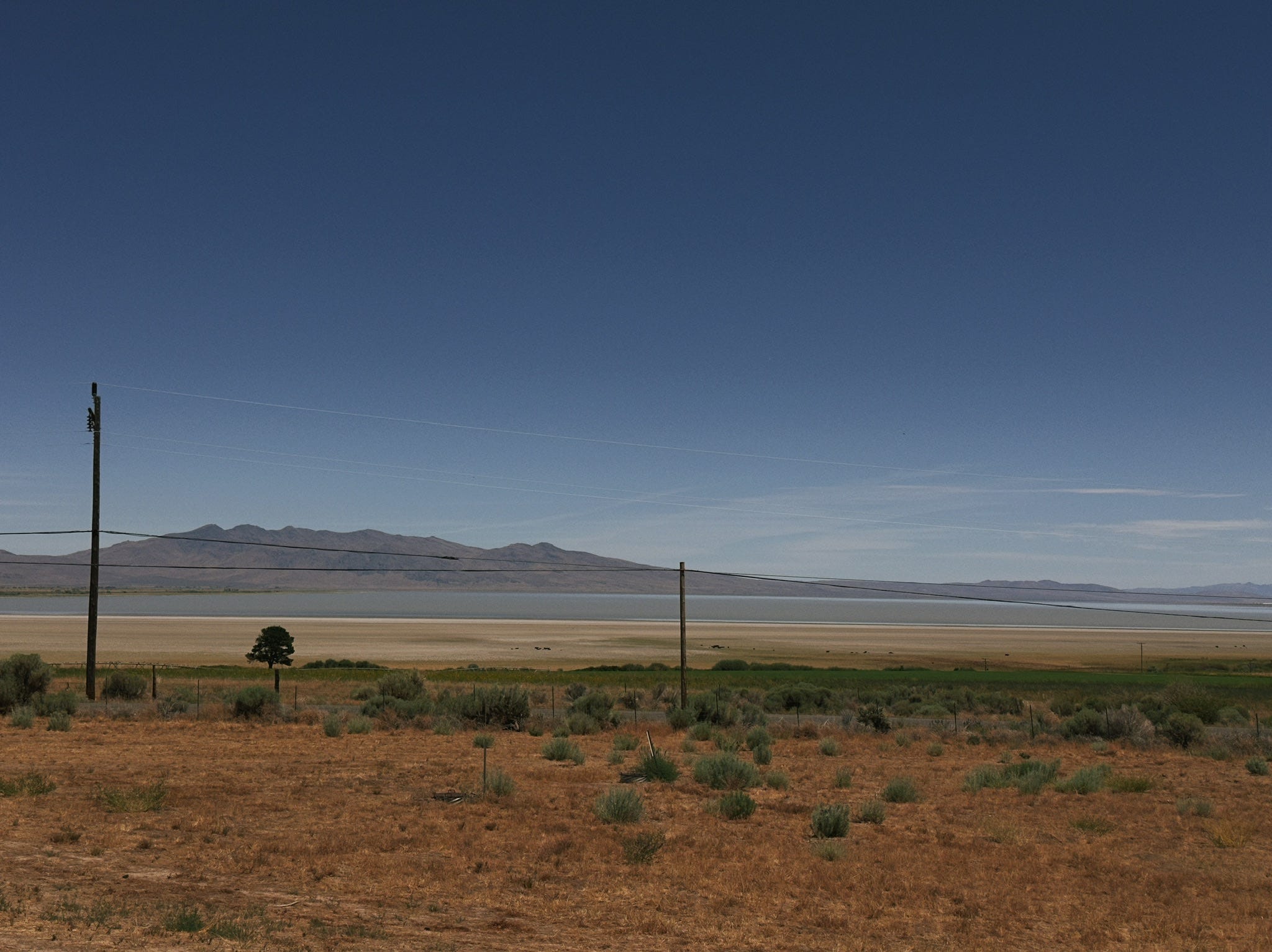
I live in the often-forgotten far northern section of California. It’s filled with remote places, open views, and steep mountains. The rural-urban divide becomes real in places like this. I was talking to a friend who lives one county over. Their neighborhood had a woman from a large metro area move in to “escape the bustle of city life and live in nature.” Soon after she moved in, her doorbell camera caught a mountain lion walking down her street. She had a righteous freak-out and called the sheriff’s office about how they needed to come kill it. The lion hadn’t done anything but walk down the road a bit and commit the crime of being caught by her camera.
In comparison, while I was attending my local community college, it wasn’t uncommon to get an announcement once or twice a year that we weren’t to leave the building as a mountain lion was wandering the campus. It was just a part of living in a rural county. Our communities out here live in the lions’ world, and sometimes they stray into ours. This woman isn’t the first big-city resident to have a fantasy about life out in the “country,” and she certainly won’t be the last. However, the realities of rural life are often a far cry from the dream that these people have. This is often the start of the conflict between newcomers and locals.
One of the many reasons urbanites get into conflicts with the locals who live here is that they come as “know-it-alls” and want to impose their way of life on our own. That’s painfully true living in a liberal state, as I do. People in our state’s large coastal cities often get bright ideas about how to fix the problems they face. They believe the whole state will be made better with their “solutions.” It ends with situations where people living in a county with a single stoplight are told that gas cars are being banned and everyone needs to drive EVs. Or we’re endlessly propagandized about how gun ownership is dangerous and unnecessary, when there are parts of my home county where, if you call the cops at night, no one will show up since there are no available officers.
I was confronted with this attitude earlier this summer on a backpacking trip with friends in one of our local wilderness areas. We were unloading the truck at the same time as two women from Portland who had driven down to hike in the same area. Looking at our packs, they were shocked that we didn’t have bear canisters, bells, or spray. They insisted that canisters were required in this wilderness. I let them know that I was local to the area and knew that bear canisters were a new requirement in some of the drainages here, but that this particular trail didn’t go to those areas and that there weren’t any problem bears here. They remained unconvinced, assured that they, people from another state who lived eight hours away, knew more about the local Forest Service regulations than someone who could see the peaks of this area on his drive to work. Stories like these are not uncommon for anyone who lives in a rural area, whether it’s been the out-of-towners with their spotless truck who think they know the back roads better because they read about them online, or the liberal who thinks hunters are ruining their fall hiking vacation, or the tourist who says they could see themselves living here if everything weren’t such a far drive.
Somehow, few of these types that I’ve met ever seem to realize why people out here have a popular secession movement called the State of Jefferson to escape the influence of the large metro areas of California. City dwellers often point out that such a state would be poor and have few resources. They think it would be better to be attached at the hip to the coastal elites who know what’s better for us, rather than being poor and free.
